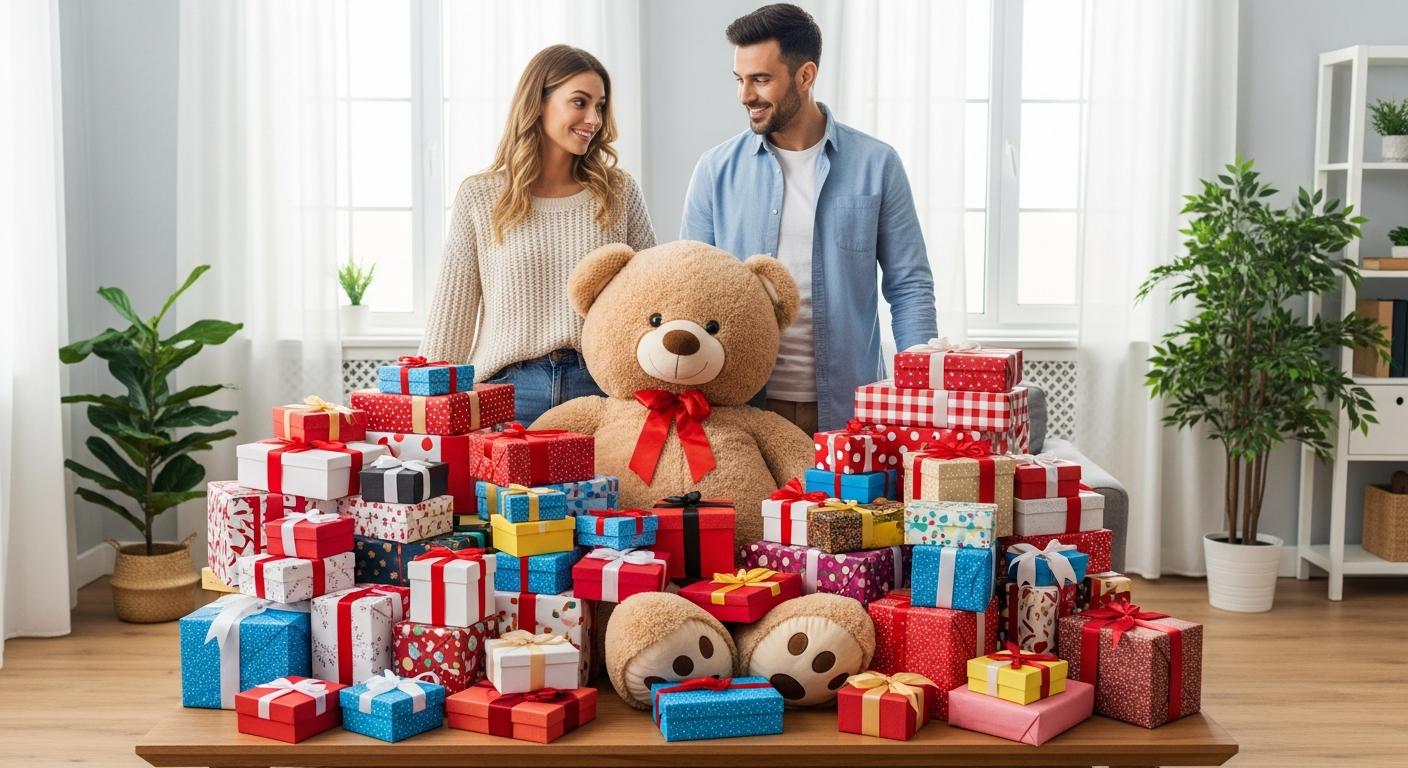
Those first gifts can feel like a warm hug. Then reality hits: a tiny closet, a baby who grows overnight, and safety advice that has evolved a lot in the last decade. No wonder many parents quietly wonder which presents will actually help… and which will turn into clutter, returns, or worry.
Baby gifts to avoid usually fall into a few predictable categories: items that don’t match day-to-day newborn care, things a baby outgrows before you can wash them, products that clash with safe sleep guidance, and gear that brings hazards (small parts, cords, falls). Add personal preferences—feeding, skincare, babywearing—and a “cute” gift can miss the mark.
Cute vs useful: why some baby gifts to avoid are everywhere
A newborn’s routine is repetitive and intense: feed, burp, diaper, settle, repeat. The best gifts reduce steps. The frustrating ones add steps.
A simple question helps: Does this remove a task—or create one? If it needs long assembly, complex washing, extra storage, or constant troubleshooting, it often lands in the “later” pile… or never gets used.


Common reasons baby gifts to avoid disappoint:
- Duplicates (blankets, plush toys, tiny outfits) while basics are missing
- Space pressure (small homes, already-full drawers)
- Return fatigue during postpartum recovery
- Safety doubts, especially about sleep products
Want to stay supportive without guessing a family’s “right way” to do things? Neutral is kind: registry items, gift receipts, store credit, or consumables.
Baby gifts to avoid because babies outgrow them fast
Newborn-size clothing: adorable, often unworn
Many babies wear newborn sizes for days—or not at all. Early life is dominated by sleepers (easy diaper access, warmth, minimal fuss). That’s why newborn outfits are classic baby gifts to avoid.
Better:
- Size-up basics (3–6 months, 6–12 months)
- Zip sleepers over multiple snaps
- Soft cotton bodysuits that layer easily
Season mismatch: the “right size” at the wrong time
A 3–6 month snowsuit is useless if baby is 3–6 months in July. Lightweight layers win because they flex with weather, heating, and growth.
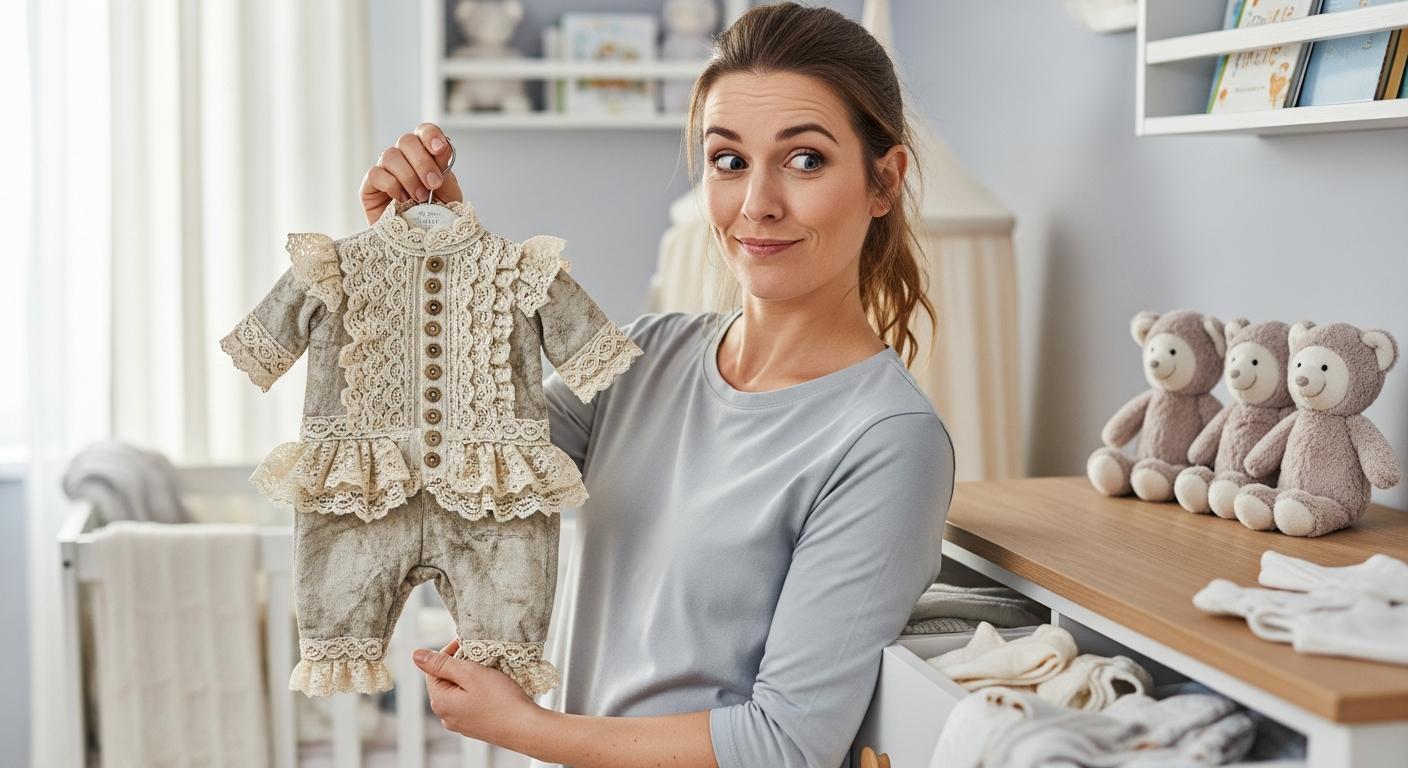
Fancy outfits that add pressure
Stiff fabrics, delicate wash instructions, and complicated fasteners can turn dressing into a mini project. At 3 a.m., “practical” is the love language.
Safety and comfort in clothing
Skip:
- Long cords and ties
- Detachable decorations (buttons, bows, sequins) that can detach and become a choking hazard
- Rough seams and scratchy tags (often trigger redness in neck, armpit, and groin folds)
If you want “special” without waste, choose one high-quality wearable item in a future size—like a sleep sack.
Baby gifts to avoid for safer sleep and calmer nights
Sleep is where parents want simplicity and reassurance. It’s also where outdated gifts can create real anxiety.
Sleep items that don’t match current guidance
Many popular nursery items are baby gifts to avoid because they don’t align with modern safe sleep advice:
- Crib bumpers
- Pillows, quilts, comforters
- Thick padding
- Plush toys in the sleep space
- Products marketed to “position” a baby
These are widely sold, yes. But availability isn’t the same as safety.
Why soft bedding and “sleep helpers” can be risky
Soft items can obstruct the airway or allow a baby’s face to press into a soft surface, raising suffocation risk. Positioning products can create gaps where a baby may become trapped or encourage unsafe positions.
Parents often hear the phrase “firm, flat, empty.” That’s the point: remove avoidable risks when baby is unsupervised.
Safer sleep-related gifts that get used
Give what fits the simple setup:
- A firm crib mattress is usually chosen by parents themselves, but fitted sheets in the correct size are welcome
- A sleep sack (wearable blanket) suited to season and baby’s age/size
- A dimmable night light for parents (kept away from the sleep surface)
Baby gifts to avoid that can create choking, cord, or injury hazards
Small parts, button batteries, and magnets
Any detachable piece can become a choking hazard. The highest-risk “surprises” are:
- Button batteries (can cause severe internal burns if swallowed)
- High-powered magnets (can injure the bowel if more than one is swallowed)
Prefer sturdy toys with clear age labels and battery compartments that require a tool to open.
Long cords and ties
Strings, cords, and long clips can wrap around a baby’s neck or become entanglement hazards—especially once babies roll and grab. Cord-free designs are safer.
Walkers and some “support seats”: why they’re debated
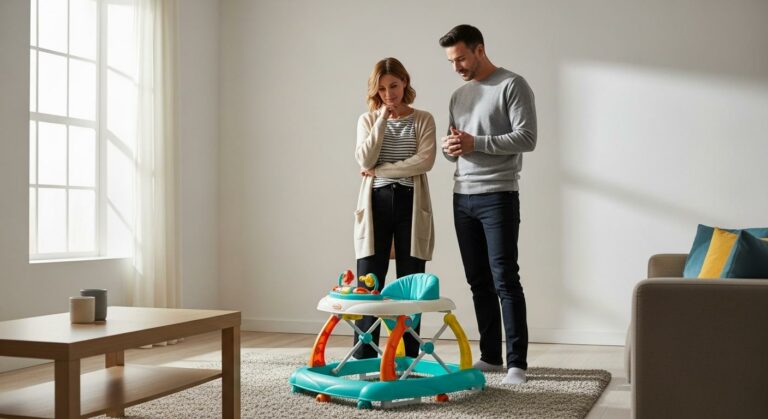
Baby walkers are associated with falls and fast access to hazards (stairs, hot drinks, sharp corners). They also don’t teach walking faster, motor development is built through floor time.
Some jumpers and seats can also place the hips and spine in positions that aren’t ideal if used too early or too long. Parents often prefer play mats, supervised tummy time, and simple floor toys.
Bath “helper” accessories that create false confidence
Bath seats and float-style devices can feel reassuring, but drowning is fast and silent. No accessory replaces direct adult supervision with a hand on the baby.
Amber teething necklaces
Often marketed for teething discomfort, amber necklaces have unproven benefit and real risk: strangulation or choking if beads detach. They’re clear baby gifts to avoid.
Baby gifts to avoid that add noise, clutter, and stress
Noisy electronic toys
Newborns can become overstimulated. So can adults running on broken sleep. Loud music, flashing lights, and repetitive sounds can raise household stress fast.
“Right toy, wrong time” clutter
If a toy requires sitting balance, coordinated grasping, or complex play, it may sit unused for months. Packaging can be optimistic.
Quieter, age-right alternatives
- High-contrast board books (supports visual tracking)
- Easy-to-grasp rattles with secure parts
- Gentle sensory toys (crinkle cloths, soft rings)
Baby gifts to avoid because they take up too much space
Giant stuffed animals
Oversized plush toys are hard to wash thoroughly, attract dust, and don’t belong in the sleep space. They often become décor—or storage problems.
Too many blankets and loveys
Blankets are heavily duplicated gifts. They’re useful for supervised floor play or stroller walks, but not recommended as loose sleep items. Loveys can become meaningful later, yet for newborns they’re commonly stored away.
Space-smart swaps:
- One compact keepsake (memory box)
- A single well-made comfort item for supervised time
- Practical essentials that don’t require rearranging the house
Baby gifts to avoid that are too personal—or hard to return
Scented skincare
Newborn skin has an immature barrier (the outer layer that limits water loss and blocks irritants). Fragranced lotions, soaps, and wipes can trigger dryness or irritation.
If you gift skincare, choose fragrance-free formulas with short ingredient lists.
Essential oils and “random” cosmetics
Essential oils are common irritants and can be problematic around babies (skin exposure, inhalation, accidental ingestion). Unless parents asked for a specific product, these fall into baby gifts to avoid.
Gifts that assume feeding choices
Bottle systems, breastfeeding-only gear, or accessories tied to one routine can miss the family’s plan. Feeding may be breastfeeding, formula feeding, mixed feeding, or evolving over time. Neutral support respects that.
Postpartum care gifts when they weren’t requested
Some parents love them, others feel exposed. When unsure, practical help lands better: meals, groceries, laundry, pet care.
Personalized items ordered too early
Names, spellings, and nursery themes can change. Birth dates can be guessed wrong. Since personalized items are often non-returnable, they’re frequent baby gifts to avoid unless details are confirmed.
Baby gifts to avoid for chemical and fragrance concerns
Families vary in how strict they are about materials, but a few red flags are widely shared.
Talc powders and heavily fragranced products
Powders can be inhaled, heavy fragrance can irritate skin. Many families prefer to skip both.
Plastics and finishes parents may avoid
For items that go in the mouth (teethers, feeding gear), many parents look for BPA-free and phthalate-free materials. Strong chemical odors or unclear paint finishes are reasons to pass.
What to look for instead
- Clear age labeling and compliance marks
- Textile labels like Oeko-Tex Standard 100 or GOTS (useful cues for reduced exposure to certain substances)
Baby gifts to avoid when buying secondhand
Secondhand can be brilliant—if the category is low-risk and the history is clear.
Hard-to-verify used gear
Often best avoided secondhand:
- Car seats (unknown crash history, expiration dates)
- Old cribs (may not meet current standards, drop-side designs are banned in many places)
- Used mattresses (may be too soft, damaged, or contaminated)
- Recalled products
Hygiene-sensitive items are better new
Bottle nipples, pacifiers, pump parts, and some teethers are difficult to sanitize perfectly. Micro-wear can harbor bacteria and change function.
Safer secondhand approach
- Check manufacturing labels and manuals
- Look up recalls
- Replace wear parts (straps, valves, nipples)
Baby gifts to avoid in the “smart baby tech” category
Connected cameras and smart toys: privacy concerns
Connected devices can collect household data. Some have weak security or unclear storage policies. Families may opt out, even if the gift is generous.
Consumer “medical-style” monitors
In healthy infants, these can increase anxiety through false alarms or confusing readings. They don’t replace safe sleep practices.
Lower-stress alternatives:
- Non-connected audio monitor (if parents want one)
- Practical support: meals, errands, cleaning
Parent-loved alternatives: what to give instead of baby gifts to avoid
If you want your gift to be used, aim for repeatable, low-fuss help.
- Size-up clothing basics (zip sleepers, two-piece pajamas)
- Diapers and wipes (if the family is comfortable sharing brand/size)
- Burp cloths and bibs
- Calm books and simple sensory toys
- One compact, meaningful keepsake
- Gift cards or registry contributions
- Services: meal train, grocery delivery, laundry, a cleaning session
Baby gifts to avoid: quick checklist before you buy
- Verify the real need: registry first, or ask “What would be most useful right now?”
- Fit real life: season, storage, home layout, and how baby will use it
- Check safety: age label, no small detachable parts, avoid cords/ties, be extra careful with sleep products
- Make returns easy: gift receipt, easy exchanges, home delivery
Key takeaways
- Baby gifts to avoid are typically unsafe for sleep, quickly outgrown, overstimulating, oversized, or too personal.
- Newborn-size and special-occasion clothing is often unworn, size-up basics are more useful.
- Sleep gifts should support a simple setup: firm, flat, empty sleep space and wearable warmth like a sleep sack.
- Avoid button batteries, magnets, small parts, and cords, pick sturdy, age-labeled items.
- Skip walkers, amber teething necklaces, and bath “helper” devices that can increase risk or false confidence.
- Fragrance-free, minimal-ingredient skincare fits more families than scented products or essential oils.
- Secondhand is great for many items, but avoid car seats with unknown history, old cribs, used mattresses, and hygiene-sensitive feeding parts.
- Parents can get support from pediatric professionals, midwives, and pharmacists, and they can download the Heloa app for personalized guidance and free child health questionnaires.
Questions Parents Ask
What baby gifts are “waste of money” for new parents?
Often, it’s anything that looks fun but doesn’t match real-life routines: complicated gadgets with lots of parts to clean, single-purpose items that only work for a few weeks, or décor-heavy pieces that take space without helping care tasks. If you’re unsure, a simple, repeatable support (diaper fund, meal delivery, or a flexible gift card) tends to feel genuinely useful—without guessing the family’s preferences.
Are stuffed animals safe gifts for newborns?
Stuffed animals can be a sweet keepsake, and many parents love receiving one. For everyday safety, they’re best used during supervised playtime and kept out of the sleep space. If you’d like to give a plush, choosing a small, washable one with securely attached features (no loose eyes, ribbons, or detachable bits) can be a reassuring option.
Are wooden toys a bad baby gift?
Not at all—many families prefer them. What matters is how the toy is made: smooth edges, non-toxic finishes, sturdy construction, and an age label that matches baby’s stage. Rattles or simple grasp toys are usually a better fit than complex sets for a newborn. If parents are particular about materials, including a gift receipt keeps things easy and stress-free.
Further reading :