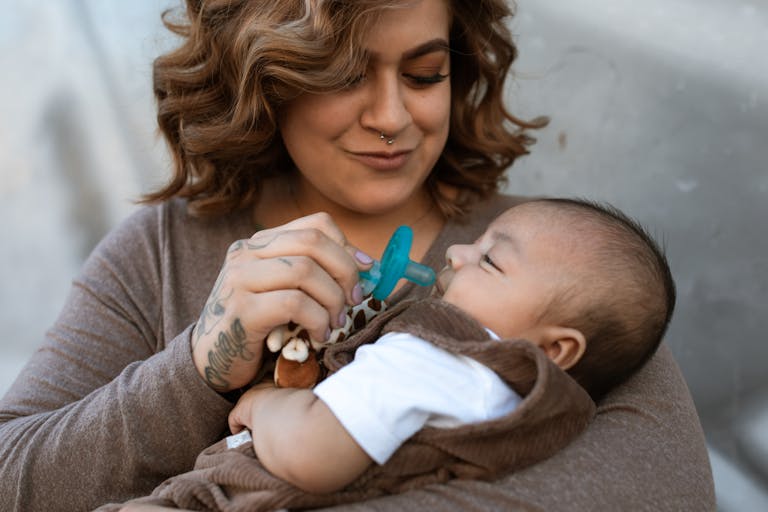
A baby with a sudden fever, a new cough, and a bottle or breast they no longer want can make worry rise fast. baby flu can start abruptly and feel intense, with a level of tiredness that seems to switch off a child’s usual energy. The goals stay practical: support comfort at home, protect hydration and breathing, and spot early the signs that deserve medical advice.
You may be asking yourself: is this “just a cold,” or is baby flu more likely? And if it is, what actually helps – today, tonight, at 3 a.m.?
Baby flu explained: what it is and why babies are more vulnerable
Influenza (the “flu”) is a viral respiratory infection caused mainly by influenza A and influenza B. Compared with many common colds (often due to rhinoviruses), baby flu tends to be more “whole-body”: fever that rises fast, pronounced fatigue, cough, and a blocked or runny nose. Some babies also show gastrointestinal symptoms (vomiting, diarrhea), which can quickly shift the priority to fluids.
Why do little ones sometimes look so unwell so quickly?


- Immune defenses are still maturing: newborns and young infants can have less “buffer” when fever reduces intake.
- Airways are narrower: a small amount of swelling and mucus can make breathing and feeding feel harder.
- Lower fluid reserves: fever, vomiting, or diarrhea can lead to dehydration faster than most families expect.
A helpful lens is the full picture, not the thermometer alone: breathing effort, wet diapers, alertness, and how your baby responds to you.
Influenza A vs influenza B in babies
Both influenza A and influenza B can cause significant symptoms in infants. Many clinics can confirm flu with a test and sometimes identify the type, but home care usually looks similar: comfort measures, close monitoring, and – when appropriate – an antiviral such as oseltamivir.
Seasonal vaccination is designed to match circulating strains, typically covering both A and B lineages.
Baby flu symptoms in infants: what to look for
Symptoms can change over hours. Sometimes the first clue is not the cough – it’s the sudden “flat” energy, the feeding that stalls, the baby who cannot settle.
Typical symptoms: fever, cough, and a blocked or runny nose
Common signs of baby flu include:
- Fever (often higher than with a cold)
- Cough
- Runny nose or stuffy/blocked nose
- Throat irritation (crying during sucking, pulling off the breast/bottle)
General symptoms: tiredness, sleepiness, and irritability
With baby flu, many parents notice:
- Marked fatigue or unusual sleepiness
- Irritability and crying that is harder to soothe
- Body aches suggested by discomfort when being handled (babies cannot describe myalgia, but they can show it)
Possible digestive symptoms: vomiting, diarrhea, and reduced appetite
Some infants vomit, have diarrhea, or eat much less. The main risk here is dehydration.
Quick, practical checks:
- Wet diapers still coming regularly
- Mouth looks moist (saliva present)
- Tears when crying
- Some tone and interaction between naps
How symptoms can look different by age
- Newborns and babies under ~3 months: signs may be subtle (poor feeding, sleepiness, temperature instability). Any fever needs prompt medical evaluation.
- Babies 3-6 months: fever and respiratory symptoms are often clearer, hydration and breathing still lead the checklist.
- Babies over 6 months: patterns are easier to recognize, and vaccination is possible.
Incubation, contagiousness, and how long baby flu lasts
Flu often follows a recognizable rhythm, though every child writes their own version.
Incubation period and contagious window
After exposure, incubation is typically 1 to 4 days (often around 2). A person can be contagious about 24 hours before symptoms, which explains why baby flu can appear “out of nowhere” after a family gathering or a daycare exposure.
How flu spreads to babies
Transmission happens through:
- Respiratory droplets (coughing, sneezing, close contact)
- Indirect contact (hands, pacifiers, toys, surfaces) followed by touching the face (nose, mouth, eyes)
Feeding, cuddling, and soothing require closeness – so even careful families can see flu spread.
How long baby flu lasts (typical timeline)
A common course:
- Day 0-1: sudden fever, cough/congestion, appetite drop
- Day 2-3: peak symptoms (fussiness, disrupted sleep)
- Day 4-7: fever often improves, feeds and energy slowly return
Cough and low energy can linger after the fever is gone. The key is steady, gradual improvement. If fever persists, returns after a break, or your baby worsens after seeming better, a clinician should reassess.
Baby flu or something else? Cold, RSV/bronchiolitis, COVID, or gastroenteritis
You might wish for a single symptom that labels the virus. Real life rarely obliges. Still, there are patterns.
Baby flu vs common cold
- Cold: gradual start, mild or no fever, overall condition often fairly preserved.
- Baby flu: more abrupt start, higher fever more often, and a striking drop in energy.
Baby flu vs bronchiolitis (often linked to RSV)
Bronchiolitis (frequent under age 2, often 2-6 months) may begin like a cold, then shift to lower-airway symptoms:
- Fast breathing
- Chest retractions (skin pulling in between ribs or above the collarbone)
- Wheezing
If these signs appear during baby flu, medical evaluation matters – because breathing support and monitoring needs can change.
Baby flu vs COVID
Fever, cough, runny nose, and digestive symptoms overlap. Exposure history and testing can help, but home priorities remain the same: breathing comfort, hydration, and alertness.
Baby flu vs stomach bug (gastroenteritis)
- Gastroenteritis: vomiting/diarrhea dominate, often with few respiratory signs.
- Baby flu: may include vomiting/diarrhea, but typically includes cough/runny nose and a more feverish, body-aching illness.
Baby flu diagnosis: when testing can help
Clinicians usually assess:
- Temperature and overall appearance
- Breathing rate and effort, oxygenation if needed
- Hydration (mucous membranes, capillary refill, diaper output)
- Other causes or complications (otitis media, pneumonia, and in very young infants, other infections that require evaluation)
Clinical diagnosis vs a flu test
When flu is widely circulating, a clinician may diagnose baby flu from symptoms and exam alone. In young infants or higher-risk babies, testing is often considered because many viruses look similar and results may change decisions.
Rapid molecular tests and respiratory panels
Rapid molecular tests are generally more sensitive than older antigen tests and can identify influenza A and B quickly. Some multiplex panels check flu/RSV/COVID from one sample.
How results may change treatment
A confirmed flu result can support starting oseltamivir promptly (most benefit when begun within 48 hours of symptom onset, though exceptions exist). Results pointing to RSV or COVID can also guide monitoring and expectations.
Baby flu treatment: goals and what actually helps
For most infants, treatment is supportive. Simple does not mean trivial, it means targeted.
Core goals for baby flu:
- Lower discomfort and fever
- Maintain hydration
- Ease breathing by clearing the nose
- Watch the illness closely for changes
Supportive care (what most babies need)
- Offer feeds more frequently, smaller volumes can be easier.
- Prioritize rest (and yes, contact naps may temporarily increase).
- Keep the nose clear (see below).
- Re-check hydration and breathing several times a day – and more often in young infants.
Antiviral treatment (oseltamivir): who may benefit
Oseltamivir may be offered depending on age, timing, underlying health conditions, severity, and whether hospitalization is needed. This choice is individualized, ask how it fits your baby’s situation and what side effects to watch for (gastrointestinal upset is common).
Fever reducers: acetaminophen vs ibuprofen
- Acetaminophen (paracetamol) is commonly used for fever and discomfort, dosed by weight.
- Ibuprofen is generally for older infants (often from 6 months) and should be avoided if dehydration is suspected or vomiting is significant.
Use one medication at a time unless a clinician advises otherwise. Measure with an oral syringe or the dosing device supplied.
Why antibiotics do not treat baby flu
Influenza is viral, so antibiotics do not help uncomplicated baby flu. They may be used only if a bacterial complication is suspected, such as acute otitis media (ear infection) or bacterial pneumonia.
Medications and remedies to avoid
- Aspirin in children (risk of Reye syndrome)
- Over-the-counter cough/cold products for infants
- Honey under 12 months (botulism risk)
- Essential oils and menthol rubs in infants (airway and skin irritation)
Baby flu home care: breathing comfort, sleep, and environment
Small actions, repeated calmly, often bring the biggest relief.
Hydration and feeding: the priority
The most grounded question is: Is your baby drinking, and are diapers still wet?
- Offer breast or bottle more often, with smaller amounts if needed.
- If solids are already part of meals, appetite may drop, hydration matters more than “finishing.”
- With vomiting/diarrhea, ask a clinician about oral rehydration solution (how much, how often), especially in young infants.
Nasal congestion relief: saline and gentle suction
A blocked nose can sabotage feeding and sleep.
- Use saline drops/spray (0.9% sodium chloride) to loosen mucus.
- Gentle suction before feeds and sleep can improve comfort.
Try not to over-suction, frequent irritation can swell the nasal lining and make congestion feel worse.
Humidifier, air quality, and smoke exposure
A cool-mist humidifier can ease dryness and congestion. Keep it clean per manufacturer instructions. Aim for a comfortable room temperature.
Avoid exposure to tobacco smoke and vaping aerosols, both irritate the airways and can worsen cough.
Rest and safe sleep
More sleep and more cuddles are common during baby flu. Keep sleep safe: on the back, on a firm surface, with no loose bedding or pillows.
When to call the doctor for baby flu (and when to seek urgent care)
Clear thresholds reduce the exhausting “wait or call?” loop.
Seek medical advice promptly
- Any fever in a baby under ~3 months
- Fever that is high, poorly tolerated, or lasting
- A baby who drinks much less, vomits repeatedly, or seems very tired
- A cough that worsens and significantly disrupts feeding or sleep
- Any breathing difficulty
Signs of dehydration to watch for
- Clearly fewer wet diapers
- Dry mouth, crying without tears
- Refusing to drink, or tiring quickly at the breast/bottle
Go to urgent care/ER or call emergency services if you see
- Marked breathing difficulty: fast breathing, retractions, nasal flaring, grunting, or pauses in breathing
- Wheezing with significant distress
- Grayish or bluish color around lips/face
- Unusual sleepiness, difficult to wake, limpness
- A seizure
Baby flu complications and higher-risk situations
Most babies recover well, yet complications can occur – often signaled by a course that does not follow the expected gradual improvement.
Possible complications
- Dehydration
- Worsening lower-airway disease (bronchiolitis-like picture)
- Pneumonia
- Ear infection
- Secondary bacterial infection (fever that persists, returns, or a baby who worsens after improving)
Babies at higher risk for severe illness
Risk is higher with:
- Very young age
- Prematurity
- Chronic heart or lung disease
- Immune suppression
- High exposure in group settings
If your baby is higher-risk, ask early about testing and whether antivirals are appropriate.
Preventing baby flu: layered protection that works
Prevention works best in layers – no single step is perfect, but together they reduce risk.
Flu vaccine for babies and families
- Babies can start flu vaccination at 6 months (follow local schedules).
- Vaccination during pregnancy helps protect the parent and transfers antibodies to the newborn.
- Vaccinating parents, siblings, and caregivers (“cocooning”) lowers the chance of bringing baby flu home.
Hygiene and practical steps at home
- Handwashing before feeds, changes, and nose care
- If an adult is sick: avoid face kisses, consider a mask during close care when feasible
- Clean frequently touched objects (phones, doorknobs, toys)
- Reduce nonessential visitors during the acute phase
Daycare return: practical criteria
Group care is usually considered when:
- Fever has resolved
- Overall condition is good (reasonable energy for age)
- Hydration is back to normal
Key takeaways
- baby flu is a seasonal influenza infection that often hits harder than a cold: fever, cough, blocked nose, major fatigue, sometimes vomiting/diarrhea.
- The priorities – especially under 6 months – are breathing, hydration, and overall responsiveness.
- Treatment is mainly supportive: rest, saline for congestion, frequent feeds, and acetaminophen (paracetamol) dosed by weight, antibiotics are for suspected bacterial complications only.
- Seek urgent evaluation for breathing difficulty, dehydration signs, unusual sleepiness, seizures, bluish/gray color, or any fever in babies under ~3 months.
- Vaccination (from 6 months), vaccination during pregnancy, cocooning, and hygiene reduce risk.
- For ongoing, tailored guidance and free child health questionnaires, you can download the Heloa app and use it alongside your healthcare team.
Questions Parents Ask
Can a newborn get the flu—and how serious is it?
Yes. Newborns can catch influenza, and they may look unwell quickly because they have smaller fluid reserves and immature immune defenses. If your baby is under 3 months and has a fever (or seems unusually sleepy, hard to wake, or feeds poorly), it’s important to contact a clinician the same day. Trust your instincts—parents often notice “something is off” before symptoms look obvious.
How can I tell if it’s baby flu or teething?
Teething can cause drooling, gum discomfort, and mild fussiness, but it usually doesn’t cause a high fever or a sudden, significant drop in energy. Flu more often starts abruptly, with fever, marked tiredness, cough, and congestion. If symptoms feel “bigger than teething,” or your baby’s feeding drops noticeably, it’s reasonable to seek medical advice for reassurance and next steps.
When is baby flu contagious, and when is it safe to see others again?
Flu can spread about a day before symptoms appear and is typically most contagious during the first several days of illness. Many parents find it reassuring to use simple milestones: fever has been gone for at least 24 hours (without fever medicine), your baby is drinking close to normal, and their energy is gradually returning. If your child is in daycare, checking their specific illness policy can also help you decide calmly.

Further reading :