Adjusting to life after childbirth—the postpartum period—can often feel like a journey through shifting territory, where the familiar meets the unknown each day. Many parents find themselves oscillating between anticipation and uncertainty, their minds drifting between the physical toll, the emotional aftershocks, and the multitude of questions like, “How much is this bleeding supposed to last?” or “Is this much fatigue normal, or am I missing something?” Navigating the postpartum period brings its fair share of challenges and discoveries, and if you’re looking for clarity on timelines, milestones, healing, and when to seek help, you’re not alone in your search for answers.
This exploration weaves through the physiological recalibrations, the hormonal rollercoaster, pediatric essentials, the sometimes-invisible threads of emotional health, and all those daily realities of rest, feeding, intimacy and family adjustments. With each chapter, you’ll find strategies—grounded in science and practical wisdom—to support your postpartum well-being, explanations of what’s happening in your body, and guidance to help you make informed decisions about your care and that of your baby.
Understanding the postpartum period timeline
Immediate postpartum: Stabilisation and first adaptation (first 24 hours)
In the immediate wake of childbirth, your body enters its first phase of repair and recalibration. The uterus, that remarkable muscular organ, begins its shrinkage almost instantly—a process called “involution”. For many, lochia (the technical term for postpartum vaginal bleeding) initiates as a bright red flow, sometimes accompanied by clots. Medical teams pay close attention to vital signs and bleeding to catch early warning signals, such as sudden heavy flow (soaking a pad in an hour), large clots, or overwhelming dizziness. Do any of these appear? It’s not insignificant—immediate assessment is essential.
Simultaneously, the tiny heartbeat of a newborn is checked: breaths, skin tone, natural reflexes, blood sugar, and temperature stability. Early skin-to-skin contact does more than just provide comfort—it plays a role in newborn thermoregulation (keeping baby’s temperature steady), balancing sugars, and fostering parent-infant connection. Feeding is introduced—exclusive breastfeeding or safe formula feeding—with guidance for latch techniques or bottle hygiene, always tailored to your preference and situation.

Early days (2–7): Physical changes and emotional flux
By the second or third day, a phenomenon many wait for (sometimes with a mix of apprehension and relief) unfolds: milk coming in. The breasts feel suddenly full—occasionally tender to the point of discomfort, called engorgement. For some, afterpains—cramping as the uterus continues its descent to pre-pregnancy size—surge especially during breastfeeding, with oxytocin stimulating contractions.
Lochia continues, evolving in both colour and quantity—shifting from red to a muted brown or pink. A steady decrease is reassuring; if, instead, you notice heavier bleeding, a foul odour or sharp, escalating pain, consider these signposts to call your care provider.
Soreness is often present—whether at the perineum after vaginal birth or around a cesarean incision. Rest, prescribed pain relief, cold compresses, and gentle movements become your supports. Digestive disturbances like constipation or hemorrhoids are frequent visitors—fiber, hydration, and mild movement can soften their blow.
Emotionally, the landscape is anything but static. The baby blues—those swings between laughter and tears—often rise and fall in the first week, peaking around day 4–5, before receding naturally within two weeks. But—and this distinction matters—if sadness becomes a shadow you can’t shake, or anxiety magnifies and doesn’t pass, reaching out for help is not only warranted, it’s encouraged.
From the paediatric angle, newborn feeding is scrutinised for signs of adequacy—not just by latching or bottle skills but by the reassuring count of wet nappies and weight progress. Even here, no question is too small.
Two to six weeks: Healing milestones and new patterns
As the postpartum period deepens into its third week, many small but meaningful transformations emerge. Stitches from perineal tears or incisions usually show progress, soreness recedes, and a gradual return of energy (albeit still punctuated by the interruptions of infant care) marks this period.
With the approach of the classic six-week checkup, a cluster of conversations and assessments await—uterine healing, blood pressure, anaemia checks, mood screening, review of feeding, and the all-important dialogue about contraception and future family planning. Here, individuality surfaces strongly. Some are ready to embrace more activity or contemplate intimacy, while others need more time.
Pediatric monitoring continues, with weight, growth, feeds, and now—especially—vaccination schedules entering the picture.
Six weeks to six months: Rebuilding strength, adjusting expectations
The body’s recovery is far from finished at this juncture. The pelvic floor and core gradually reclaim stability. Gentle walks, progressive strength exercises, and pelvic health awareness become stepping stones back to familiar movement. Yet running or heavy lifting may require patience—wait for a sense of functional readiness and always loop in professional guidance for any symptoms like pelvic pressure or leakage.
Sexual health evolves—vaginal dryness, lowered libido, and discomfort are widespread yet seldom discussed. Lubricants, gentle exploration, and medical advice for persistent pain provide relief and reassurance. Menstrual cycles may resume, although exclusive breastfeeding can delay their return. But fertility can precede even the first period—another example of the body’s unpredictable rhythms in the postpartum period.
Mental health vigilance is paramount; mood disorders can surface unexpectedly. Timely intervention is protective for both parent and child.
Six to twelve months: Longer-term recovery and planning ahead
Physical adjustments slow but continue—pelvic and core strength, management of conditions like diastasis recti (abdominal wall separation), and sometimes the emergence or persistence of symptoms (incontinence, pelvic heaviness, sexual discomfort) that call for specialised care.
The emotional journey remains highly individual. For some, recovery is steady; for others, delayed mood challenges arise, underscoring the value of ongoing mental health screening and support.
As the baby’s own development accelerates—with new skills, exploration, and feeding transitions—family routines morph again. If planning another pregnancy, this window is strategic to optimise nutrition, address medical concerns, and reassess contraception.
Distinguishing lochia from periods: What’s going on?
The return of periods after childbirth sparks abundant questions. Is every bit of bleeding a new cycle, or can it be normal recovery? For many, the confusion lies between lochia—the tissue-shedding and healing after delivery—and the first true menstrual period.
- Lochia: Normal uterine healing, transitions from red to pink/brown to yellow/white, often persists for 2–3 weeks (sometimes up to 6).
- True period: Occurs only after lochia subsides, reflects renewed ovulation, resembles pre-pregnancy periods (sometimes longer or heavier initially), may be preceded by typical premenstrual cues—mood shifts, cramps, fatigue.
Beware the “mini-bleed” around day 10–14. Usually brief and unaccompanied by pain, this is neither lochia nor a proper period—typically a side effect of more physical activity or a hormonal dip.
If bleeding is profuse, has a “bad” odour, or associates with fever, contact your care team without delay.
Return of periods: timelines, influencing factors and fertility
The classic patterns:
- Not breastfeeding: Most see their first postpartum period between 6–8 weeks, but timing can be sooner or delayed. Ovulation pre-dates visible bleeding by about two weeks.
- Exclusive breastfeeding: Frequent feeding boosts prolactin, naturally delaying ovulation—sometimes for six months or longer—until feeds space out or solids start. Yet, surprise! Silent ovulation can happen, making unplanned pregnancies more than theoretical.
- Mixed feeding or weaning: The earlier feeds space or bottles increase, the earlier regular cycles may resume; irregularity is normal at first.
- Cesarean birth: Recovery and period return mirror vaginal births; what influences timing is mainly feeding pattern, not surgical delivery per se.
What else matters? Age, body mass index, stress, sleep deprivation, history of irregular cycles or hormonal conditions (like polycystic ovary syndrome), past contraception use, and general health (including thyroid function, anemia or chronic illness) all play a part.
Ovulation before a period is possible—keep this in mind when planning (or avoiding) future pregnancies.
Physical recovery: From uterus to pelvic floor and beyond
The uterus and afterpains
Shrinkage of the uterus (involution) proceeds swiftly, with afterpains more pronounced during breastfeeding or in subsequent pregnancies. Pain relief (paracetamol, ibuprofen), gentle heat, and optimal breastfeeding positions all contribute to comfort.
Lochia—what’s normal, what’s not?
A natural progression from bright red (rubra) to pink/brown (serosa) to pale yellow/white (alba), usually punctuated by small clots. Sudden heavy bleeding (soaking pads), large clots, or associated dizziness prompt urgent evaluation.
Perineal and incision healing
Vaginal stitches dissolve over several weeks; gentle cleansing, cool packs, and pain relief assist healing. For cesarean wounds: clear care instructions, monitoring for redness, oozing or rising pain, and gradual ramping up of movement are key to minimise infection or venous thromboembolism risk.
Abdominal wall and diastasis recti
Abdominal separation may linger—avoid heavy abdominal exercises, and consider pelvic physiotherapy if the core remains weak or function is not restored after several months.
Pelvic floor
Gentle early activation and progressing to tailored exercises with guidance helps restore continence and support. Symptoms like pressure, bulging, or persistent leakage signal the need for specialist input.
Bladder and bowels
Urinary urgency or leaking may occur early, but bladder retraining and pelvic floor exercises help. Constipation and hemorrhoids are common—hydration, fiber, and movement are the mainstays.
Breast changes
Engorgement marks milk coming in; comfort is found in frequent feeding, good latch, short-term cold compresses, and, if needed, expressing milk. Persistent lumps can indicate blocked ducts or even mastitis—pain, redness, and fever warrant timely treatment.
Pain management
Paracetamol and ibuprofen are both compatible with breastfeeding when used within safe doses. For surgery or severe pain, discuss with your health provider for safe prescription options.
Hormones: The silent orchestrators
The sudden withdrawal of estrogen and progesterone after delivery fuels mood changes, vaginal dryness, skin and hair fluctuations. Prolactin—essential for milk production—remains high with frequent feeding and suppresses regular cycles, though not infallibly. Cortisol from chronic sleep loss amplifies anxiety and memory glitches; structured naps, shared care at night, and reducing evening stimulation help mitigate this load. Note: postpartum thyroiditis can emerge in the months following birth—fluctuations from restlessness to sluggishness, changes in weight, or mood should suggest checking thyroid hormones.
Feeding, lactation and practical support
The journey of feeding—breast, bottle, pumping, or all three—demands as much practical wisdom as patience. Early latch assessment (watch for rooting and feeding cues), confidence in milk supply (wet nappy count, infant weight), handling engorgement and blocked ducts, and understanding safe milk storage pave the way. Engorgement, blocked ducts, and mastitis require active support—do not hesitate to consult a lactation consultant or your health provider.
Painful nipples often point to poor latch or unaddressed positioning issues. Sometimes, medical causes like tongue-tie or infection need specialised input.
If returning to work, synchronise a pumping schedule and think logistics: breaks, storage options, and equipment clean-up.
Sleep, fatigue and strategies for daily rhythms
Short, patchy naps, night feeds, and round-the-clock care—these are the echoes of early parenthood in the postpartum period. Try sharing night duties, employing low light and calm routines for faster return to sleep, and accept practical help (for chores or baby care) where feasible. Extreme sleep deprivation isn’t trivial—avoid driving or complex tasks if dangerously tired; and if exhaustion impacts care or safety, reach out for support without delay.
Emotional health through the postpartum period
From the “baby blues” to postpartum depression, from pronounced anxiety to rare but serious psychosis, emotional health traverses a wide spectrum after childbirth. The majority experience mood swings in the early weeks, but persistent low mood, high anxiety, intrusive thoughts, or a sense of being trapped are signs to seek help. Screening and support—through peer groups, therapy, medication or all three—lay the foundation for both parent and infant well-being.
Partner involvement is invaluable: dividing duties, noticing mood changes, and bringing practical and emotional steadiness into everyday life.
Sexual health, intimacy and contraception
The question of when to resume intimacy, and how to navigate changes in desire, comfort or routine, emerges sooner or later. Wait until emotional readiness and physical healing align. Vaginal dryness, discomfort, and fluctuating libido are common; hydration, lubricants and open conversation make a difference. For persistent pain or dysfunction, consult your clinician.
Contraception should be considered early. Progestin-only options (pills, implant, hormonal IUD) are generally safe with breastfeeding. Copper IUDs offer a hormone-free route. For those relying on Lactational Amenorrhea Method (LAM)—strict feeding criteria must be met for reliable protection, and bleeding indicating periods means additional contraception is needed.
Barrier methods work instantly and add protection against infections. Note, estrogen-progestin combined methods are usually delayed if breastfeeding due to potential impacts on milk supply.
Hygiene, healing and everyday cycle management
In early postpartum days, opt for large pads or high-absorbency period underwear; avoid internal products (tampons, menstrual cups) until full physical healing, typically after 4–6 weeks. Change pads regularly, keep hand hygiene a priority, and gently cleanse the vulva daily.
Boost iron intake if bleeding is heavy—think greens, lean meats, lentils; maintain protein for tissue repair, and hydration (up to 2.5 litres daily, especially with breastfeeding). Embrace short rest periods when possible, and adjust meals to smaller, more frequent portions if appetite drops.
Tracking cycles can be enlightening—observe bleeding patterns, flow colour, pain intensity, and associated symptoms. Use a notebook or a cycle-specific app with a postpartum mode that records breastfeeding and changing patterns.
When to seek help: Red flags and ongoing care
Heavy bleeding (soaking a large pad per hour), repeated clots, increasing pain, fevers, or foul odour call for urgent evaluation. For persistent cycle absence (if not breastfeeding, after four to six months; if exclusively breastfeeding, after one year or more), severe irregularity, or suspicion of pregnancy—schedule a non-urgent consultation.
Exercise, movement and pelvic rehabilitation
Begin with gentle walking and basic pelvic floor exercises soon after birth, progressively building intensity over months. Avoid intense abdominal stress if diastasis recti persists. Return to running or heavy-impact sports only with restored control and absent symptoms—again, guided by specialist physiotherapists as indicated.
Monitor for warning signs: sharp pain, resurging heavy bleeding, or unusual fatigue—these are signals to slow down or get checked.
Complications to know
Apart from heavy bleeding and infection risks (fever, wound redness, foul discharge), watch for hypertensive emergencies—new-onset headaches, swelling, or visual changes can signal postpartum preeclampsia. Sudden breathlessness, leg swelling, or chest pain point to the possibility of deep vein thrombosis or heart issues. In mental health, thoughts of self-harm or psychosis are emergencies: professional help should be summoned immediately.
Postpartum care plan: Visits and special situations
Expect multiple contacts with your care team—immediate in-hospital checks, home or phone follow-ups, and a comprehensive review at 6–12 weeks. Physical healing, chronic disease follow-up (blood pressure, glucose, thyroid), vaccination catch-ups, feeding support, and mental health screening constitute the menu.
Differences by birth mode are pragmatic, not prescriptive—vaginal births focus on perineal recovery, cesareans on wound care and mobility, instrumental deliveries add pelvic floor focus. Parents of multiples, NICU graduates, or after pregnancy loss warrant tailored guidance and integrated emotional support. Chronic conditions—hypertension, diabetes, autoimmune diseases—require vigilant monitoring and specialty coordination.
Return-to-work planning starts early: phased schedules, pumping logistics, and workplace adaptation all come into play.
Adapting tradition and culture for better recovery
Many traditions advocate rest, warming foods, and massage after birth—these, balanced with hydration and an eye on red flags, can enrich recovery. If using herbs or special foods, consult your doctor to confirm safety, especially while breastfeeding.
Key takeaways
- The postpartum period doesn’t follow a universal script—healing, period return, and emotional adjustment vary across parents and pregnancies.
- Early lochia is normal; true menstruation returns only after lochia ebbs and can signal resumed fertility.
- Ovulation—and possible pregnancy—may precede the visible postpartum period return.
- Heavy bleeding, fever, pain, or foul odour—all demand swift medical attention.
- Rest, hydration, and nutrition form the backbone of physical recovery; partner and professional support ease the journey.
- Emotional health requires vigilance: swift help for persistent low mood, overwhelm, or intrusive thoughts is a strength, not a weakness.
- Track bleeding, cycles, and symptoms, to guide your own understanding and enrich discussions with your care team.
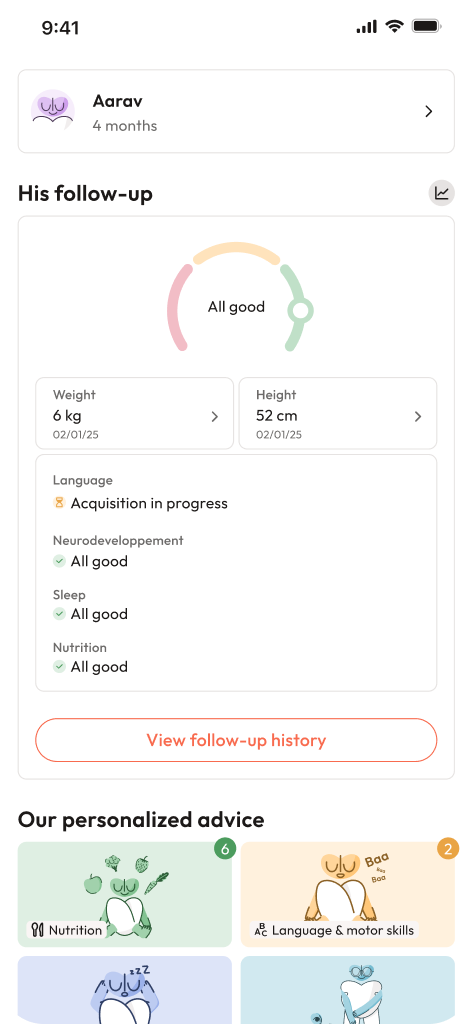
- Download the application Heloa for free paediatric health questionnaires and tailored advice to support you throughout the postpartum period.
Questions Parents Ask
How long does the postpartum period last?
Clinically, the postpartum period (also called puerperium) is counted as the first six weeks after birth—this is when major transitions (bleeding, shrinking of the uterus, wound healing) usually stabilise. However, the body, mind, and hormone recovery can take much longer—sometimes the entire first year. If you feel especially exhausted or have persistent heavy bleeding or pain, reach out to your doctor—there are ways to help.
Which contraception methods are safe while breastfeeding?
Many safe options exist: progestin-only methods such as mini-pill, implant, or hormonal IUD generally do not affect milk supply. Copper IUD is hormone-free and long-lasting, and barrier methods (condoms) are always accessible and provide STI protection. Combined estrogen-progestin methods may sometimes reduce milk supply and are generally started later (often after six weeks if breastfeeding). Lactational Amenorrhea Method (LAM) works only with very specific conditions: exclusive, frequent feeds, baby under six months, and no periods yet. Discuss the best method with your healthcare provider based on your health and family goals.
When can I start contraception after delivery?
It depends on your preferred method and whether you are breastfeeding. Condoms, progestin-only pills, implant, and sometimes IUD may be started immediately or before leaving the hospital. Combined hormonal methods are often started at least six weeks later for breastfeeding parents, while non-breastfeeding may use them earlier depending on individual risk assessment. Discuss timing and choices openly with your provider so it fits your needs and plans.

Further reading: