Suddenly, after the joyous urgency of childbirth, reality settles—there’s a newborn in your arms, perhaps a wave of exhaustion, a flurry of visitors or family, and amidst it all, the tiniest hint of a fever or a new pain brings worry knocking at your door. Why now? What’s happening? For many parents, the term postpartum endometritis might sound distant—or even alarming—yet it stands as one of those medical realities one wishes didn’t exist, but knowing its face can make all the difference. Because when it comes to uterine infections like postpartum endometritis, early recognition, prompt action, and understanding your own body’s warning signs are the keys to both reassurance and recovery. So, what sets this infection apart, why does it matter, and how can you move quickly from concern to comfort? Let’s unravel the science and show you how to regain calm—while still finding joy in those precious first weeks.
What is postpartum endometritis and why does it matter?
Postpartum endometritis (sometimes referred to as uterine infection) is not a name that glides off the tongue, yet it describes something very real: an infection of the endometrial lining, the thin ‘inner skin’ of the uterus, which can develop after childbirth. The scenario is often this: after the placenta detaches and the uterus begins healing, bacteria—crafty, persistent—may sneak in from the lower genital tract or (less commonly) the gut, entering the uterus when its natural barriers are temporarily lowered. Usually, symptoms appear within two to seven days after birth, although sometimes later, especially after leaving the hospital.
Risk is not uniform; it is markedly higher after cesarean delivery, particularly if it was an emergency situation or labor had already started. The uterus, acting like an open wound in those early days, is especially vulnerable to contamination from vaginal flora. That’s why prompt diagnosis matters—not just for short-term relief of discomfort and disruption, but also to protect your fertility and long-term health.
What is it not? Let’s clear a few misunderstandings:

- Chorioamnionitis is a different infection, striking during labor, affecting membranes and amniotic fluid.
- Endometriosis? Not infectious at all, and with a separate story involving chronic pelvic pain.
- Endometritis in a non-pregnant state bears its own context.
Alarm bells ring when things are missed: untreated postpartum endometritis can lead to complications—pelvic abscesses, infection spreading through the bloodstream (sepsis), or the rare yet serious septic pelvic thrombophlebitis.
Who’s at risk? Real-world triggers and outcomes
Thinking “Why me?”, or wondering if certain birth experiences raise your risk? Absolutely. Risk rises in situation such as:
- Cesarean delivery—especially unscheduled ones or those after labor begins
- Prolonged rupture of membranes (when ‘the waters break’ early but delivery gets delayed)
- Lengthy, exhausting labors that take a toll on body and uterus
- Multiple vaginal examinations—a necessity sometimes, but it increases exposure
- Manual removal of the placenta or repeated intrauterine procedures
- Existing maternal issues: bacterial vaginosis, untreated sexually transmitted infections, diabetes, anemia, immunosuppression, or even just the daily burden of limited resources for hygiene
Outcome? If postpartum endometritis is recognised and antibiotics are started promptly, most recover fast—pain and fever retreat within a day or two. For the newborn, the trouble is mostly indirect (separation, feeding disruption). Delays, however, increase the risk of deeper, more persistent problems.
Recognising the symptoms: what signals matter?
Pain? Fever? Exhaustion—what’s ‘normal’ and what’s not? Listen for these clinical cues:
- Fever reaching 38°C (100.4°F) or more, typically in the first 1–3 days
- Lower abdominal pain, especially above the pubic area, with the uterus feeling tender or enlarged
- Lochia that’s foul-smelling, purulent (pus-like), or just ‘wrong’ for how postpartum bleeding usually is
- A spreading feeling of being unwell: chills, malaise, a racing heartbeat
- Sometimes, there’s even no fever, but persisting pelvic pain or very abnormal discharge
At home, a thermometer and a simple log of symptoms—easy yet powerful tools—can help. If your malaise deepens, pain intensifies, or bleeding seems out of proportion, that’s your cue for medical help.
When is it an emergency?
Certain symptoms signal deeper trouble and need urgent attention:
- Fever that won’t break or returns after a short lull
- Severe or rapidly worsening pain, heavy bleeding with clots, or sudden weakness
- Mental changes (confusion, fainting, struggle to stay awake)
- Marks of sepsis—racing heart, laboured breathing, low blood pressure
If a previous infection such as chorioamnionitis was present during labor, vigilance for newborn symptoms (poor feeding, breathing difficulties, lethargy) becomes essential.
How common is postpartum endometritis? Patterns and public health insight
Numbers can be revealing:
- After vaginal birth, rates hover around 1–3%
- For cesarean—especially when performed during labor—the risk nudges higher
Yet, effective prevention works. Administering prophylactic antibiotics before cesarean (ideally within an hour before incision) has slashed infection rates from historic 10–20% down to just a few percent in modern settings.
But disparities remain. In areas where clean delivery, timely antibiotics, and good follow-up can’t be guaranteed, postpartum endometritis continues to weigh heavily on maternal health, prolonging hospital stays and complicating recovery.
What causes postpartum endometritis? Unravelling the microbiology
When the placenta detaches, the uterus is briefly exposed—a vulnerable window. Bacteria (think Enterobacterales, Bacteroides, and Group B Streptococcus) can ascend from the vagina or gut, especially if tissue is traumatised or fragments of placenta linger. While healthy uterine contractions and lochia drainage help clear microbes, sometimes this balance is lost, and polymicrobial infection (infection by more than just one type of bacteria) sets in.
Left unchecked? Infections can creep into deeper pelvic tissues or veins (septic thrombophlebitis), or even seed adhesions that compromise future fertility.
Diagnosing postpartum endometritis: how do doctors know?
The answer is refreshingly straightforward: diagnosis is mostly clinical. Fever plus uterine tenderness, especially with abnormal lochia after delivery, strongly suggest postpartum endometritis. Blood tests (for white cell count, C-reactive protein), urine tests, and—if things don’t improve—imaging like ultrasound can help clarify the situation, especially to rule out retained placental fragments or pelvic abscess.
Cultures can be insightful when illness is stubborn or severe, but the focus remains starting antibiotics quickly, rather than waiting for definitive lab results.
Managing postpartum endometritis: first steps and medical care
A race against time—initial management revolves around:
- Stabilisation: checking basic signs such as temperature, heart rate, blood pressure, breathing
- Broad-spectrum intravenous antibiotics: first-line options include clindamycin with gentamicin or third-generation cephalosporin plus metronidazole. Sometimes, medicines like ampicillin-sulbactam or amoxicillin-clavulanate join in, especially for oral step-down.
- Addressing complications: if retained placental tissue or abscess is present, removal or drainage might be needed
- Fluids, pain relief, supportive care
Duration? Typically, IV antibiotics are continued until 24–48 hours after fever subsides and pain eases, followed by oral medicines to complete 7–10 days of therapy. Sometimes longer, if complications persist.
Severe cases—with signs of sepsis—may warrant ICU-level monitoring and consultation with infectious disease specialists.
Breastfeeding, bonding, and recovery
A frequent worry: Will antibiotics harm my baby? Most antibiotic regimens for postpartum endometritis are safe in breastfeeding. Medications like clindamycin, gentamicin, and amoxicillin-clavulanate generally don’t disrupt milk. If mother and baby must be separated—pumping every 2-3 hours preserves supply and ensures the newborn gets the nutrition needed. For pain or fever, paracetamol and ibuprofen are reliable companions.
Paying attention to your baby’s cues (feeding habits, stools, alertness) remains far more important than worrying unnecessarily about passing the infection.
The road to recovery: what to expect, when to worry
Improvement is usually rapid with good therapy—fever and pain retreat in a day or three. Still, if pain lingers, fever persists, or lochia remains foul after 48–72 hours, your team may request imaging or change the antibiotics. Typically, you’re cleared for discharge when:
- There’s been no fever for a day
- Pain and bleeding are receding
- You’re confident in caring for baby and yourself
Future periods may be irregular, especially while breastfeeding. Most recover fully, and fertility is preserved in the majority. Trouble conceiving, persistent bleeding, or pain months later might signal the rare formation of intrauterine adhesions (Asherman syndrome)—a topic for your gynaecologist to address specifically.
Prevention: steps that shield and support
Some risks can be minimised:
- Timely, appropriate antibiotics before every cesarean
- Strict aseptic techniques—hand washing, clean equipment—during every delivery
- Reducing the number of unnecessary vaginal examinations
- Promptly treating any sign of infection, bleeding, or abnormal lochia in the early postpartum window
Hygiene at home—keeping wounds clean, changing pads often, careful perineal care—goes a long way. Even in settings with fewer resources, simple steps like iron supplementation to prevent anaemia and well-planned referral pathways make a measurable difference.
Special considerations: who needs extra vigilance?
Extra caution applies for:
- Adolescents, people with immune challenges
- Anyone who experienced postpartum haemorrhage or retained placental tissue
Vaginal tears and episiotomies don’t increase uterine infection risk directly but may bring local wound issues that also deserve attention.
Key Takeaways
- Postpartum endometritis is a uterine lining infection, often arising in the first week, especially days 2–7 post-delivery—keep it high on your mental checklist if fever and pain appear.
- Risk is notably higher after cesarean, especially when complicated by long labor, premature rupture of membranes, or retained placental parts; medical factors like diabetes, anaemia, and certain bacterial flora increase vulnerability.
- Typical features: fever, uterine tenderness, abnormal or foul-smelling lochia; severity (persistent fever, heavy bleeding, mental status changes) signals urgency.
- Immediate diagnosis and broad-spectrum antibiotics usually bring fast improvement; nearly all regimens are compatible with breastfeeding.
- Simple, consistent hygiene, rapid reporting of warning symptoms, and clear follow-up plans drastically improve chances of smooth recovery.
- Fertility is generally preserved; prolonged problems may need expert review.
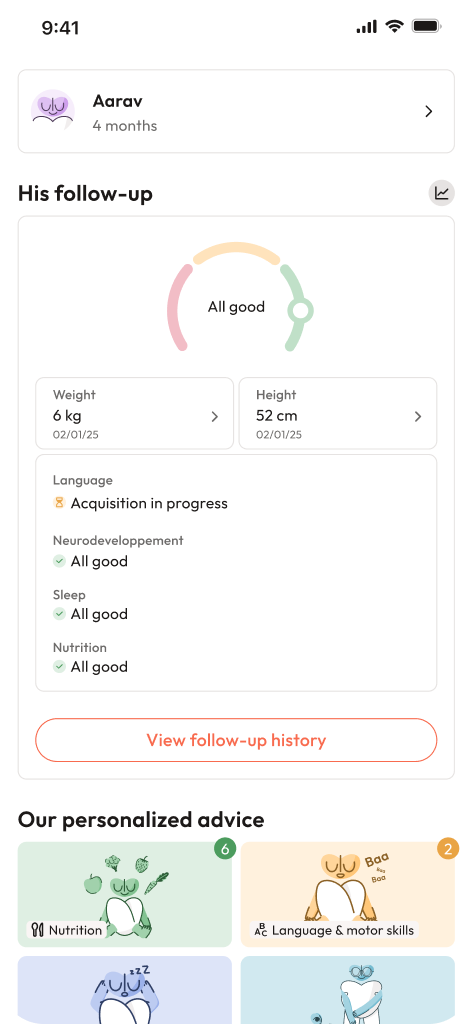
- Always contact healthcare providers if you have doubts. For tailored advice and health tools, you can download the application Heloa to access personalised tips and free child health questionnaires.
Questions Parents Ask
Can postpartum endometritis occur if there’s no fever?
Absolutely. Although fever is common, some experience only growing pelvic pain, foul-smelling discharge, or persistent discomfort. If discharge worsens or bleeding becomes unusually heavy, it’s wise to reach out to your clinician even before a fever appears.
Is there a risk of passing the infection to the baby?
Direct transmission of postpartum uterine infection to a healthy newborn is rare. The main concern arises when infection begins during labor (chorioamnionitis), or the mother has a bloodstream infection—both these situations require close monitoring of the baby. Most antibiotics used in postpartum endometritis are safe during breastfeeding and don’t require stopping feeds. If the baby becomes drowsy, has trouble feeding, fever, or changes in breathing, seek paediatric care straight away.
When is it safe to resume sex, exercise or daily activities?
Trust your body and follow your clinician’s suggestions. Gentle movement and short walks often support recovery and are encouraged if they don’t worsen symptoms. Delay more strenuous activity or intercourse while pelvic pain, fever, or heavy bleeding persist—and when on antibiotics. Many resume at their own pace, typically over several weeks, but if there’s uncertainty, lingering pain, or concerning discharge, consultation before resuming is advisable.

Further reading :